

quinnmoor12051
About quinnmoor12051
Case Study: Effective Treatment of Stress-Induced Erectile Dysfunction
Introduction
Erectile dysfunction (ED) is a common condition affecting men worldwide, with various underlying causes, including psychological factors. Among these, stress has emerged as a significant contributor to erectile dysfunction. This case study explores a patient suffering from stress-induced ED and outlines an effective treatment plan that combined psychological counseling, lifestyle modifications, and medical intervention.
Patient Background
Mr. John Doe, a 45-year-old male, presented to the clinic with complaints of difficulty achieving and maintaining an erection over the past six months. He reported that the problem began during a particularly stressful period at work, where he faced increased responsibilities and looming deadlines. Mr. Doe was otherwise healthy, with no significant medical history, and he was not taking any medications. If you have any questions relating to in which and how to use Erectiledysfunctiontreatments.online, you can get hold of us at our own web page. He had been married for 15 years and reported a previously satisfying sexual relationship with his wife.
Assessment and Diagnosis
Upon initial assessment, Mr. Doe underwent a thorough medical evaluation, including a physical examination and blood tests to rule out any underlying medical conditions such as diabetes, hypertension, or hormonal imbalances. The results showed no physical abnormalities.
The psychological assessment revealed that Mr. Doe was experiencing high levels of stress and anxiety related to his job. He reported feelings of inadequacy and worry about his performance, both at work and in his personal life, which contributed to his erectile difficulties. Based on these findings, Mr. Doe was diagnosed with stress-induced erectile dysfunction.
Treatment Plan
The treatment plan for Mr. Doe was multifaceted, addressing both the psychological and physiological aspects of his condition. The following components were included:

1. Psychological Counseling
Mr. Doe was referred to a licensed psychologist specializing in sexual health and anxiety management. Cognitive-behavioral therapy (CBT) was recommended to help him identify and challenge negative thought patterns related to his performance anxiety. The therapist also employed relaxation techniques, including mindfulness and deep-breathing exercises, to help Mr. Doe manage stress more effectively.
2. Lifestyle Modifications
In addition to psychological counseling, Mr. Doe was advised to make several lifestyle changes to reduce stress and improve overall well-being. These included:
- Regular Exercise: Mr. Doe was encouraged to engage in at least 30 minutes of moderate exercise most days of the week. Physical activity can help reduce stress and improve mood, which may positively affect erectile function.
- Healthy Diet: A balanced diet rich in fruits, vegetables, whole grains, and lean proteins was recommended to enhance overall health and energy levels.
- Sleep Hygiene: Mr. Doe was educated on the importance of good sleep hygiene, including establishing a regular sleep schedule and creating a restful environment to improve sleep quality.
- Stress Management Techniques: Incorporating activities such as yoga, meditation, or hobbies that promote relaxation was suggested to help manage daily stressors.
3. Medical Intervention
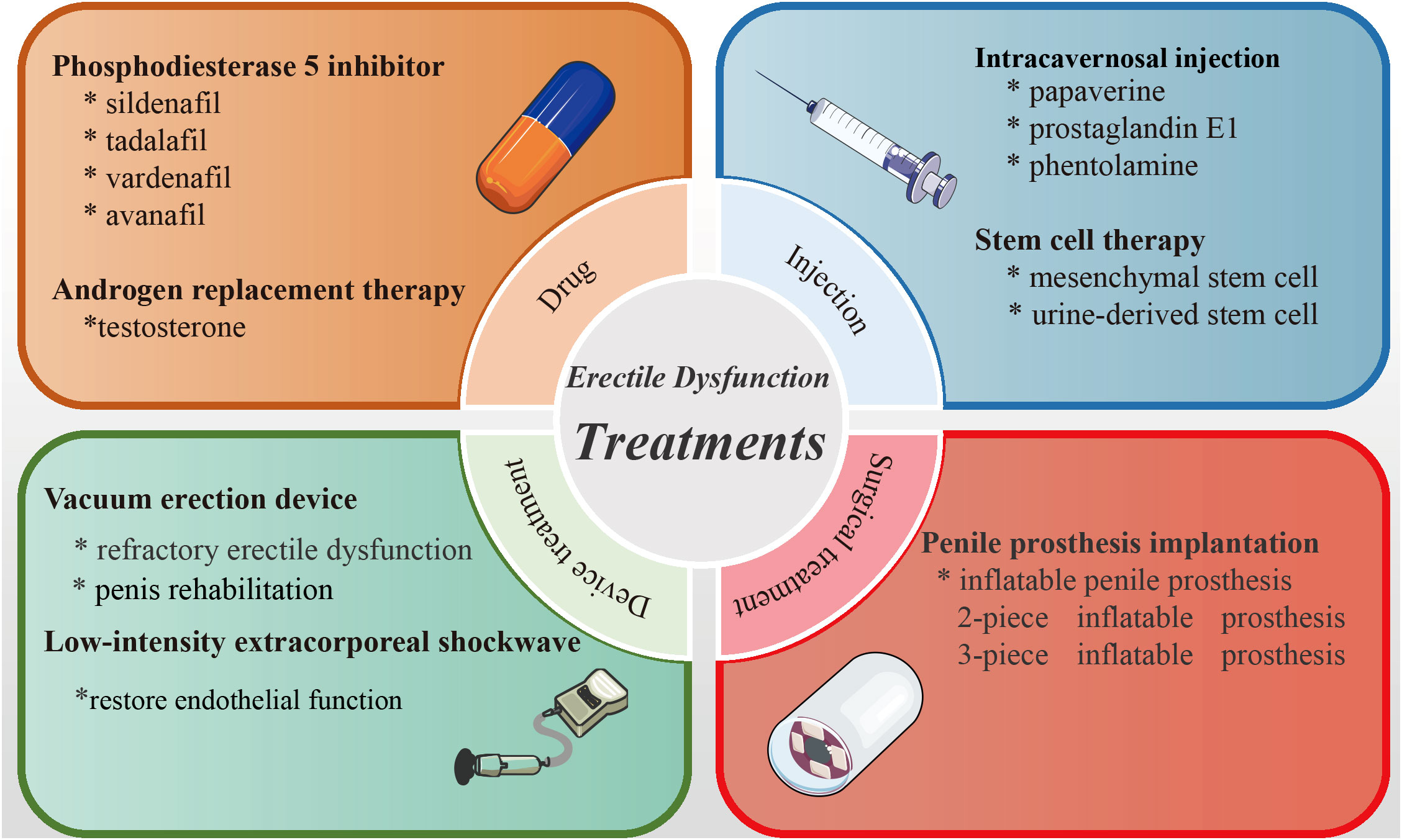
While the primary focus was on psychological and lifestyle interventions, Mr. Doe was also offered pharmacological options. After discussing the potential benefits and risks, he opted to try an oral phosphodiesterase type 5 (PDE5) inhibitor, specifically sildenafil (Viagra). This medication was intended to provide immediate relief from erectile dysfunction symptoms while he worked on the underlying stress-related issues.
Follow-Up and Progress
Mr. Doe attended regular follow-up appointments over the next three months to monitor his progress. During this time, he reported significant improvements in his erectile function, particularly after implementing the recommended lifestyle changes and attending therapy sessions. He noted that his anxiety levels had decreased, and he felt more confident in his ability to perform sexually.
The combination of psychological counseling, lifestyle modifications, and the use of sildenafil proved effective in addressing Mr. Doe’s stress-induced ED. His relationship with his wife also improved as they communicated more openly about his struggles and worked together to support each other.
Conclusion
This case study highlights the importance of a holistic approach to treating stress-induced erectile dysfunction. By addressing the psychological, lifestyle, and medical factors contributing to ED, healthcare providers can help patients regain their sexual health and improve their overall quality of life. Mr. Doe’s successful treatment journey underscores the need for comprehensive assessments and tailored interventions in managing erectile dysfunction, particularly when stress is a significant factor.
As awareness of the psychological aspects of ED continues to grow, it is essential for healthcare professionals to consider the whole patient—mind, body, and emotional health—when developing treatment plans. Future research should focus on the long-term efficacy of combined treatment approaches for erectile dysfunction and the role of stress management in improving sexual health outcomes.
No listing found.