

alfredohenegar
About alfredohenegar
The Rise of Semi-Private Airlines: A New Era in Air Travel
The aviation industry has undergone significant transformations over the past few decades, driven by technological advancements, changing consumer preferences, and evolving economic landscapes. Among these developments, the emergence of semi-private airlines has garnered attention as a viable alternative to both commercial airlines and private jet travel. This article explores the concept of semi-private airlines, their operational models, advantages, challenges, and their potential impact on the future of air travel.
Understanding Semi-Private Airlines
Semi-private airlines operate on a model that combines elements of both commercial and private aviation. They provide a unique travel experience that typically includes a limited number of passengers, exclusive airport lounges, and enhanced service offerings, all while maintaining a more affordable price point than traditional private jets. These airlines often utilize smaller aircraft that can access a wider range of airports, including those that may not be serviced by larger commercial airlines.
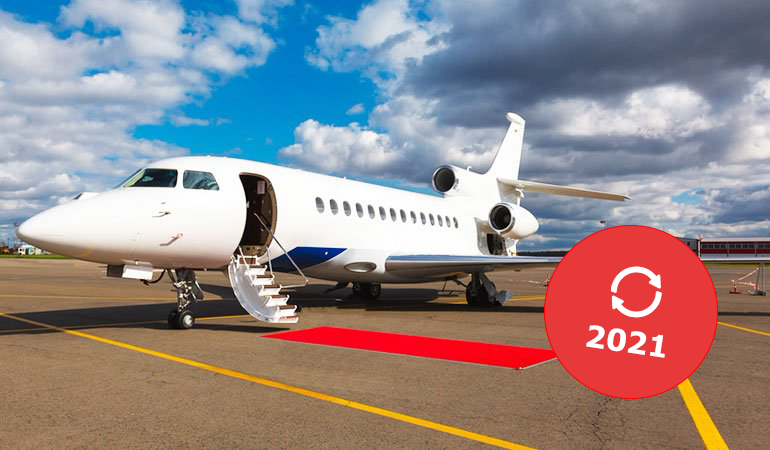
The semi-private model appeals to a niche market of travelers who seek the comfort and convenience of private air travel without the exorbitant costs associated with chartering a private jet. Companies such as JSX, Blade, and Surf Air have pioneered this space, offering scheduled flights between select cities with a focus on efficiency, comfort, and customer service.
Operational Models
Semi-private airlines typically operate under a few distinct models. The most common approach is to offer scheduled flights on a fixed route basis, similar to traditional airlines. Here’s more info about privatejetcardreview check out our site. However, unlike commercial airlines, these flights often feature a significantly reduced number of seats, which allows for a more personalized experience. Passengers can expect amenities such as spacious seating, complimentary refreshments, and expedited boarding processes.
Another operational model involves a membership-based system, where travelers pay an annual fee for access to discounted flights and exclusive services. This model not only fosters customer loyalty but also provides a predictable revenue stream for the airline. Some semi-private airlines also offer on-demand charter services, allowing customers the flexibility to book flights based on their specific travel needs.
Advantages of Semi-Private Airlines
The rise of semi-private airlines can be attributed to several key advantages that they offer to travelers:
- Cost-Effectiveness: While semi-private flights are generally more expensive than commercial airline tickets, they are significantly cheaper than chartering a private jet. This makes air travel more accessible to a broader range of consumers, particularly business travelers and affluent leisure travelers.
- Convenience and Time-Saving: Semi-private airlines often operate from smaller airports, which are typically less congested than major commercial hubs. This allows for shorter check-in times and quicker boarding processes, ultimately reducing overall travel time. Additionally, the ability to fly to more convenient destinations can enhance the travel experience.
- Enhanced Comfort and Service: With fewer passengers on board, semi-private airlines can provide a more comfortable and personalized experience. Travelers can enjoy spacious seating, quality in-flight service, and a more relaxed atmosphere, making their journey more enjoyable.
- Flexible Scheduling: Many semi-private airlines offer flexible flight schedules, allowing passengers to choose flights that best fit their itineraries. This flexibility is particularly appealing to business travelers who may have unpredictable schedules.
- Safety and Health Considerations: In a post-pandemic world, many travelers prioritize health and safety. Semi-private airlines can offer a more controlled environment, with fewer passengers and enhanced sanitation measures, appealing to those concerned about crowded commercial flights.
Challenges Facing Semi-Private Airlines
Despite their advantages, semi-private airlines also face several challenges that could impact their growth and sustainability:
- Market Competition: The aviation industry is highly competitive, with established commercial airlines and charter services vying for market share. Semi-private airlines must differentiate themselves and effectively communicate their value proposition to potential customers.
- Regulatory Hurdles: The aviation industry is subject to stringent regulations, which can pose challenges for semi-private airlines. Compliance with safety standards, licensing requirements, and air traffic regulations can be complex and costly.
- Economic Sensitivity: The demand for semi-private air travel is often linked to economic conditions. During economic downturns, luxury travel tends to decline, which could impact the profitability of semi-private airlines.
- Scalability: As semi-private airlines grow, scaling operations while maintaining service quality can be challenging. Striking the right balance between expansion and customer experience is crucial for long-term success.
The Future of Semi-Private Airlines
The future of semi-private airlines appears promising, particularly as consumer preferences shift towards more personalized and efficient travel experiences. As technology continues to advance, airlines may leverage innovations such as artificial intelligence, data analytics, and enhanced booking platforms to streamline operations and improve customer engagement.
Additionally, the rising trend of remote work and flexible schedules may drive demand for semi-private travel, as more individuals seek to combine business and leisure trips. As travelers prioritize convenience and comfort, semi-private airlines may find themselves well-positioned to capture a growing segment of the market.
Furthermore, partnerships with luxury brands, hotels, and travel agencies could enhance the appeal of semi-private airlines by offering bundled services and exclusive experiences. By creating a seamless travel ecosystem, semi-private airlines can attract a diverse range of customers seeking unique travel options.
Conclusion
In conclusion, semi-private airlines represent a dynamic and innovative segment of the aviation industry, offering travelers a blend of convenience, comfort, and cost-effectiveness. As the demand for personalized travel experiences continues to rise, these airlines are likely to play an increasingly important role in shaping the future of air travel. While challenges remain, the potential for growth and adaptation in this niche market presents exciting opportunities for both airlines and travelers alike. As the industry evolves, semi-private airlines may redefine the way we think about air travel, making it more accessible and enjoyable than ever before.
No listing found.